I was taught the power of prayer as a child. I didn’t fully understand what prayer meant, but I knew it brought me comfort during times of uncertainty.
There were moments when life felt confusing or frightening, and prayer seemed to create a quiet space where my young heart could settle. I didn’t always know what words to say, yet simply speaking to God or sitting in silence gave me a sense that I was not alone.
At times, however, my belief in prayer from the perspective of a child led to disappointment. I believed that if I prayed for something, it would surely arrive. If I asked God for help with a problem, I expected the solution to appear quickly and clearly. When that did not happen, my young mind began to wonder whether prayer truly worked at all.
Like many children, I interpreted prayer as a request system. If you asked sincerely enough, the answer would come exactly as you hoped.
Life, of course, proved to be far more complex.
After decades of study, research, and conversations with people whose spiritual lives reflected deep wisdom, I now feel I have clarity where none once existed. Prayer is not a transaction. It is not a way of persuading God to deliver exactly what we want.
Prayer is a relationship.
WHAT PRAYER REALLY IS
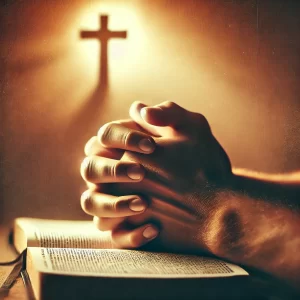 Prayer is a form of communion with God. It is a way of opening our hearts, sharing our concerns, expressing gratitude, and seeking guidance.
Sometimes prayer is spoken aloud. Sometimes it is whispered in the quiet of the morning or offered silently while walking through nature. Prayer can also appear in the form of reflection, meditation, or simply sitting with a sense of presence.
True prayer does not demand a specific outcome. Instead, it invites us to align our hearts with something greater than our own desires. It is an act of humility and trust.
In that sense, prayer often changes the person who is praying more than it changes the circumstances surrounding them.
WHY PRAYER BRINGS COMFORT
One of the most powerful aspects of prayer is the comfort it provides.
When we pray, we pause. We step away from the noise of the world and enter a space where we can reflect and breathe. In that moment, we remember that we are part of something larger than our immediate worries.
Prayer allows us to release burdens we have been carrying alone. By placing our concerns before God, we acknowledge that we do not have to solve every problem by ourselves.
This surrender can bring a profound sense of peace.
Even when situations remain difficult, prayer often helps us face them with greater strength, patience, and clarity.
EFFECTIVE WAYS TO PRAY
People sometimes worry that they are not praying correctly. The truth is that sincerity matters far more than form.
There are several practices that many find helpful when developing a deeper prayer life.
Begin with gratitude. Recognizing the blessings present in our lives opens the heart and prepares us to receive guidance.
Speak honestly. Prayer does not require formal language. Share your fears, doubts, hopes, and questions openly.
Allow time for silence. Prayer is not only about speaking to God. Listening in quiet reflection often reveals insights we might otherwise miss.
Pray regularly. A consistent practice, even if it lasts only a few minutes each day, creates a sense of grounding and connection.
Pray for others. Intercessory prayer expands our compassion and reminds us that we are part of a larger human family.
WHAT WE CAN PRAY ABOUT TODAY
In today’s world, there is no shortage of reasons to pray.
Many people pray for peace in regions experiencing violence and conflict. Others pray for wisdom among leaders and decision-makers, hoping that compassion and justice will guide their choices.
Prayer can also focus on the suffering we see around us. People facing illness, poverty, loneliness, or displacement often weigh heavily on our hearts.
Closer to home, prayer may center on family members, friends, and neighbors who are struggling. It may also involve asking for patience, courage, and clarity when facing our own challenges.
WHAT I PRAY ABOUT
In my own prayer life, I often begin with gratitude for the gift of another day and for the people who share this journey with me.
I pray for those who feel forgotten or unseen, particularly individuals who are experiencing hardship or isolation. I pray for those battling illness and for the families who care for them.
I also pray for wisdom. Wisdom to listen more carefully, to respond with compassion, and to recognize the dignity present in every person.
And I pray for peace. Peace within our hearts, peace within our communities, and peace throughout a world that often feels divided.
PRAYER AS A LIFELONG PRACTICE
 The understanding I have today is very different from the understanding I had as a child. Prayer is not about receiving everything we ask for. Instead, it is about entering into a deeper relationship with God and allowing that relationship to shape our lives.
Prayer steadies us in uncertain times. It reminds us that hope is never completely lost.
And in those quiet moments of reflection and connection, many of us discover the very comfort we were seeking all along.
About Deacon Margaret Mary O’Connor
Deacon Margaret Mary O’Connor, a former member of the Catholic laity, once believed she understood her Church and its teachings. Everything changed the day she uncovered a centuries old scandal of lies and institutional cover up surrounding the history of women in ordained ministry. Realizing that her own Church had hidden the truth about women priests, women deacons, and even women bishops, she felt a deep and unforgettable sense of betrayal.
That moment became the catalyst for her mission. Margaret Mary now travels what she calls the Highway of Radical Truth, exposing the layers of deception that have kept millions of Catholics unaware of the prominent roles women held in early Church history. Her work challenges long held assumptions, confronts the complicity of the hierarchy, and calls Catholics to learn the real history for themselves.
For Margaret Mary, every Catholic deserves the truth. She believes transparency is not optional, especially when the suppression of women’s vocations continues to harm the Church today. Her research shines a spotlight on hidden historical records that may even hold answers to the modern priest shortage.
Often described as a Modern Day David, Margaret Mary is relentless in her commitment to revealing what has been intentionally concealed. Through her well researched writings, public advocacy, and ministry within the Celtic Christian Church, she brings these buried truths to light.
She is the author of Scandal in the Shadows and Journey of a Celiac’s Soul, and remains a force for honesty, courage, and reform within the broader Catholic conversation.